
Does Breastfeeding Cause Saggy Breasts?
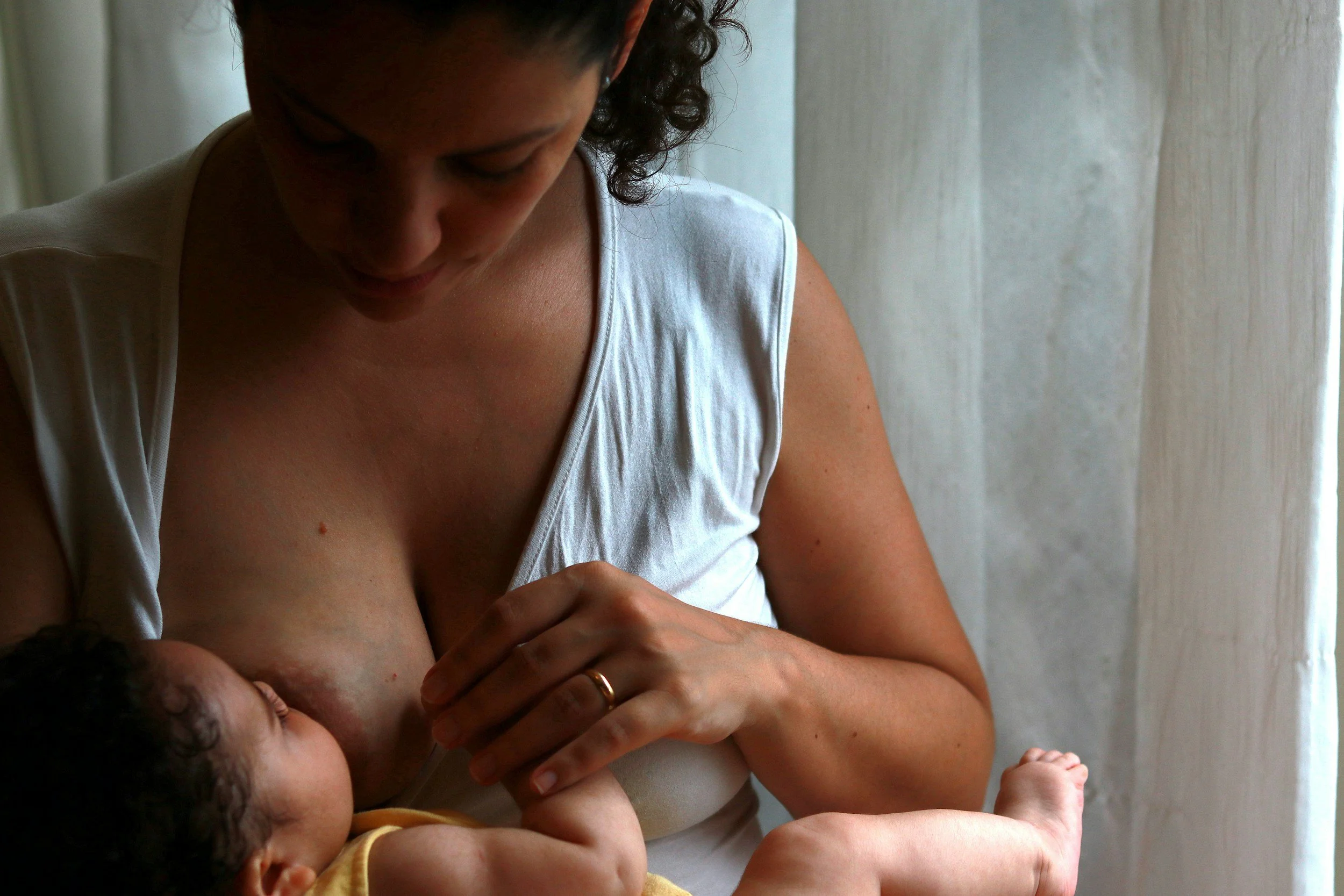
It is one of the most persistent worries about breastfeeding — and one that puts some women off before they even begin. So let us deal with it directly.
The honest, evidence-based answer is: no, breastfeeding itself does not cause breast sagging. Pregnancy does. And that distinction matters more than most people realise.
What Does the Research Say About Breastfeeding and Breast Shape?
A study published in the Aesthetic Surgery Journal — carried out by plastic surgeons who work with post-pregnancy breast changes — looked specifically at this question. They found that the number of previous pregnancies had a significant impact on breast shape, but that breastfeeding did not worsen this effect.
Their conclusion was clear: breastfeeding does not appear to have an adverse effect on breast appearance beyond the effects of pregnancy alone. In other words, if your breasts look different after having a baby, the pregnancy itself is the most likely cause — not whether or how long you fed.
So what does cause breast changes after pregnancy?
During pregnancy, your breasts undergo significant changes in preparation for feeding. Glandular tissue develops, the breasts grow larger and heavier, and the Cooper's ligaments — the connective tissue that supports the breast and gives it shape — are put under sustained stretch. This happens regardless of whether you go on to breastfeed.
After birth, whether you breastfeed or not, milk comes in and the breasts fill further before gradually settling. When feeding ends and the breast tissue involutes — shrinking back as milk production ceases — the skin and ligaments that have been stretched may not fully return to where they were before pregnancy.
Other factors that research has linked to breast ptosis (the clinical term for sagging) include:
Number of pregnancies — the effect tends to increase with each pregnancy
Age — loss of skin elasticity over time is the most common contributor
Smoking — carcinogens break down elastin, the protein responsible for skin elasticity
Larger pre-pregnancy cup size — more tissue means more weight and more stretch
Significant weight fluctuations — whether during or after pregnancy
Does how long you breastfeed make a difference?
Research does not show that breastfeeding for longer leads to greater breast changes. In fact, there is some evidence that gradual weaning — allowing the breast tissue to involute slowly over time rather than abruptly — gives the fat tissue a better chance to redeposit naturally, which can help breasts refill more gradually.
Sudden weaning, on the other hand, can leave the breast feeling deflated more noticeably. If you are planning to wean and it is not urgent, doing it slowly over several weeks is gentler on your body as well as your baby.
If you are thinking about how long to breastfeed, you might also find it helpful to read about the benefits of breastfeeding for mother and baby.
What Can Help Maintain Breast Shape After Pregnancy?
You cannot change your age, your genetics, or how many pregnancies you have had. But a few practical things are genuinely worth doing:
Wear a well-fitted, supportive bra — particularly during pregnancy and while breastfeeding, when the breasts are at their heaviest. A properly fitted bra reduces the strain on Cooper's ligaments during a period when they are already under pressure. Many women find that getting properly measured during pregnancy makes a real difference to comfort.
Wean gradually where possible — as mentioned above, this gives the breast tissue more time to adjust.
Maintain a stable weight — significant fluctuations in weight during or after pregnancy increase the degree of stretching. Losing pregnancy weight slowly and steadily is kinder to your skin and connective tissue than rapid weight loss.
Posture — it sounds simple, but how you hold yourself matters. Feeding often involves a degree of rounding forward, which over time can affect posture. Being mindful of this, and doing some gentle upper back and shoulder exercises, can support how your chest looks and feels.
Hydration and skin care — well-hydrated skin maintains its elasticity better. Staying well hydrated and using a moisturiser on the chest and breast area is a small but worthwhile habit.
Breastfeeding and Your Body: The Honest Answer
Your breasts grew an entire milk-producing system during pregnancy. They nourished your baby. They changed — because they did something remarkable.
The evidence is clear that breastfeeding is not what causes those changes. But even if your breasts look different after having a baby, that is not something that needs to be fixed or apologised for. Bodies change with pregnancy. That is real, and it is worth saying honestly.
If you have questions about breastfeeding — whether you are pregnant and thinking ahead, or currently feeding and looking for support — I am here to help.
